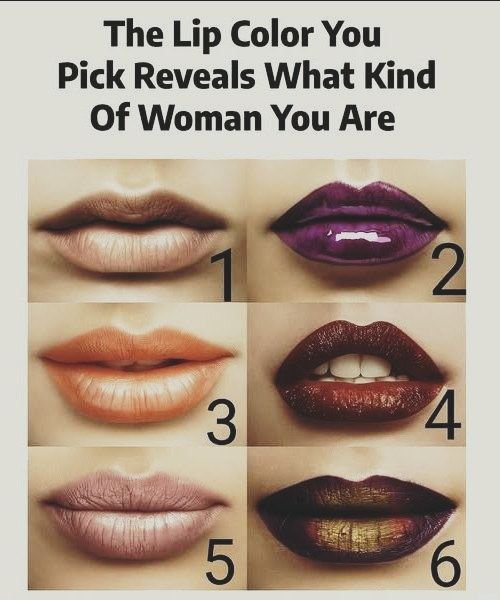
Beyond individual personalities, lipstick choices can shift with context, mood, and evolving self-image. Your preferred shade today may differ tomorrow, reflecting growth, aspirations, or the psychological landscape of your current life stage.
Color psychology suggests our aesthetic preferences provide insight into emotional state and identity. Lipstick, therefore, functions as a daily ritual connecting inner self-perception with outward presentation, blending conscious intention with subconscious expression.
The act of applying lipstick transforms routine into empowerment. Each stroke signals preparation, intention, and readiness to face interpersonal or professional challenges, reinforcing confidence and self-awareness before the first interaction occurs.
Historical context reinforces this symbolism. Across centuries, cultures have used lip coloring as social indicator, status symbol, and protective ritual, underscoring lipstick’s long-standing role in communicating identity and intent silently.
In modern society, lipstick selection is intertwined with fashion, media representation, and self-branding. Individuals may consciously or subconsciously adapt shades to align with trends, events, or desired impressions, amplifying personal narrative through color.
The relationship between color and emotion is supported by psychological studies. Specific hues trigger neural responses that affect mood, social perception, and even interpersonal dynamics, highlighting the powerful role of aesthetic choice in daily life.
Nude shades convey stability and subtlety, while vibrant hues like red or orange project dominance and enthusiasm. Each choice creates a feedback loop, influencing how others perceive you and how you perceive yourself simultaneously.
Lipstick can also be a shield. In professional or social settings, color choice can signal authority, caution, approachability, or ambition, acting as a form of silent negotiation before any words are spoken.
The evolution of lipstick preference parallels personal development. Early experimentation with bolder shades may give way to nuanced tones reflecting maturity, experience, or shifting priorities, illustrating the intimate relationship between aesthetics and personal growth.
Cultural factors further influence selection. Regional norms, media exposure, and peer behavior all shape the subconscious appeal of specific colors, integrating social learning with individual identity formation in subtle and meaningful ways.