The Call That Changed Everything
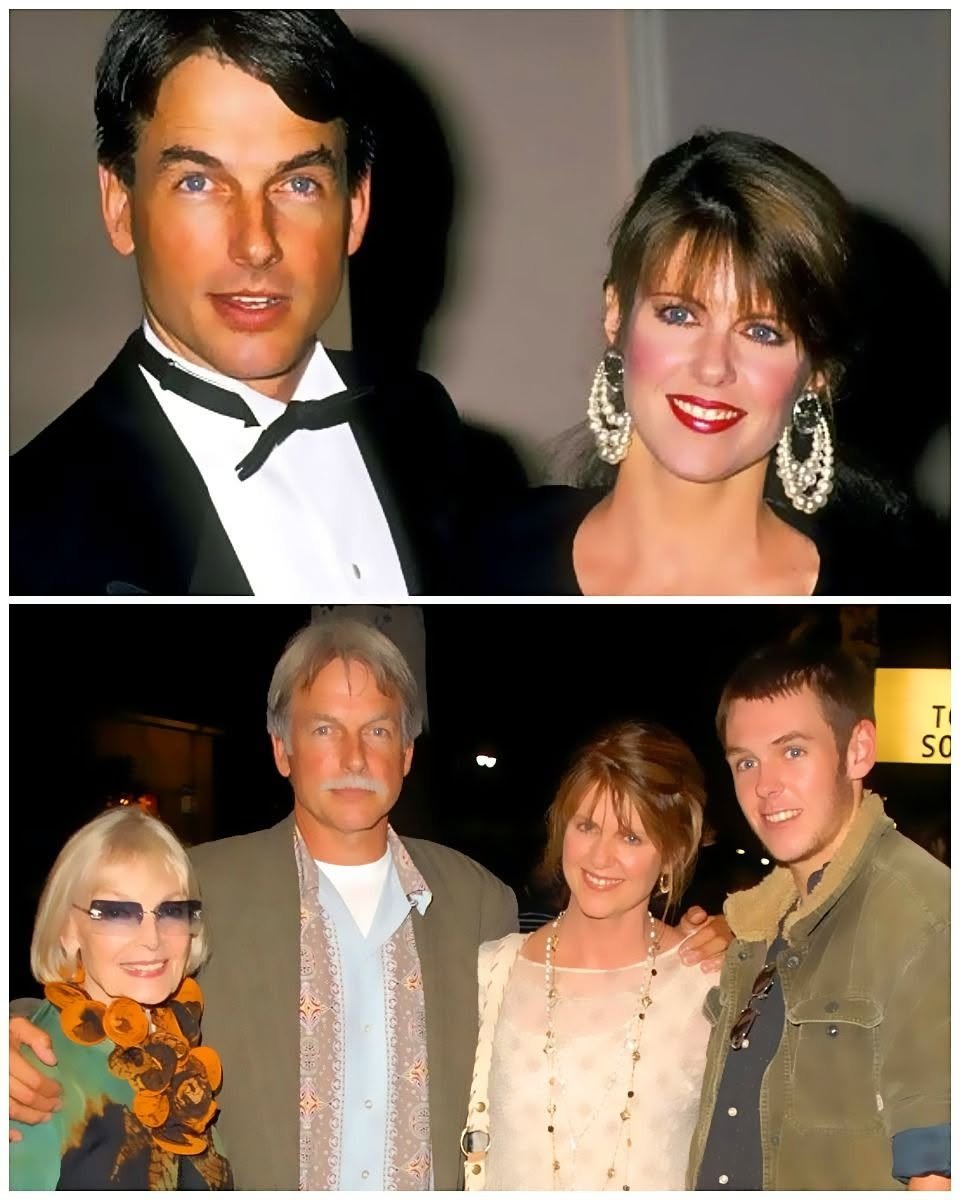
In 1986, Mark Harmon was at a defining peak in Hollywood visibility. Fresh off major success and recently named PEOPLE’s Sexiest Man Alive, he was exactly the kind of actor the industry expected to live inside headlines, premieres, and carefully curated romances. Pam Dawber, on the other hand, had already built her own place in American television history through her warmth, comedic timing, and breakout role in Mork & Mindy (1978), a show that made her one of the most recognizable faces of late-night television culture.
Their paths could have crossed in the usual Hollywood way — arranged introductions, industry events, or crowded dinners where conversation feels rehearsed. A mutual friend even suggested a group date. But Mark Harmon didn’t want background noise around something that mattered. He didn’t want the safety of a crowd or the distance of social choreography. He wanted something direct, unfiltered, and real.
So he asked for her number.
What followed wasn’t a cinematic moment with perfect lighting or dramatic buildup. It was a phone call — uncertain, simple, and human. Harmon later recalled the moment with almost disarming honesty: he called, reached an answering machine, and started speaking as if he were already stepping into something unfamiliar but important. And then, before the message could settle into voicemail solitude, Pam picked up.
That single shift — from leaving a message to being heard — became the quiet beginning of something neither of them would rush, advertise, or distort for public consumption.
A First Date Without Performance
When they met in person, there was no attempt to turn the moment into an event. No staged glamour. No strategic impression management. Instead, there was something almost disarming in its simplicity: two people who had spent years being watched choosing, for once, not to perform.
They went out that night, and whatever expectations Hollywood might have projected onto them dissolved quickly in the reality of conversation. There was no need for exaggerated charm or defensive distance. What they found instead was ease — the kind that doesn’t announce itself but quietly removes tension from the room.
Pam Dawber had always carried herself with a grounded energy, even at the height of sitcom fame. Mark Harmon, despite rising celebrity status, seemed more interested in steadiness than spectacle. Together, they didn’t behave like stars trying to impress each other. They behaved like two adults trying to understand whether life could feel normal even inside an abnormal world.
And that became the defining tone of their relationship early on: not intensity, not chaos, but clarity.
In a business built on acceleration, they chose something slower.
Choosing a Quiet Wedding in a Loud Industry
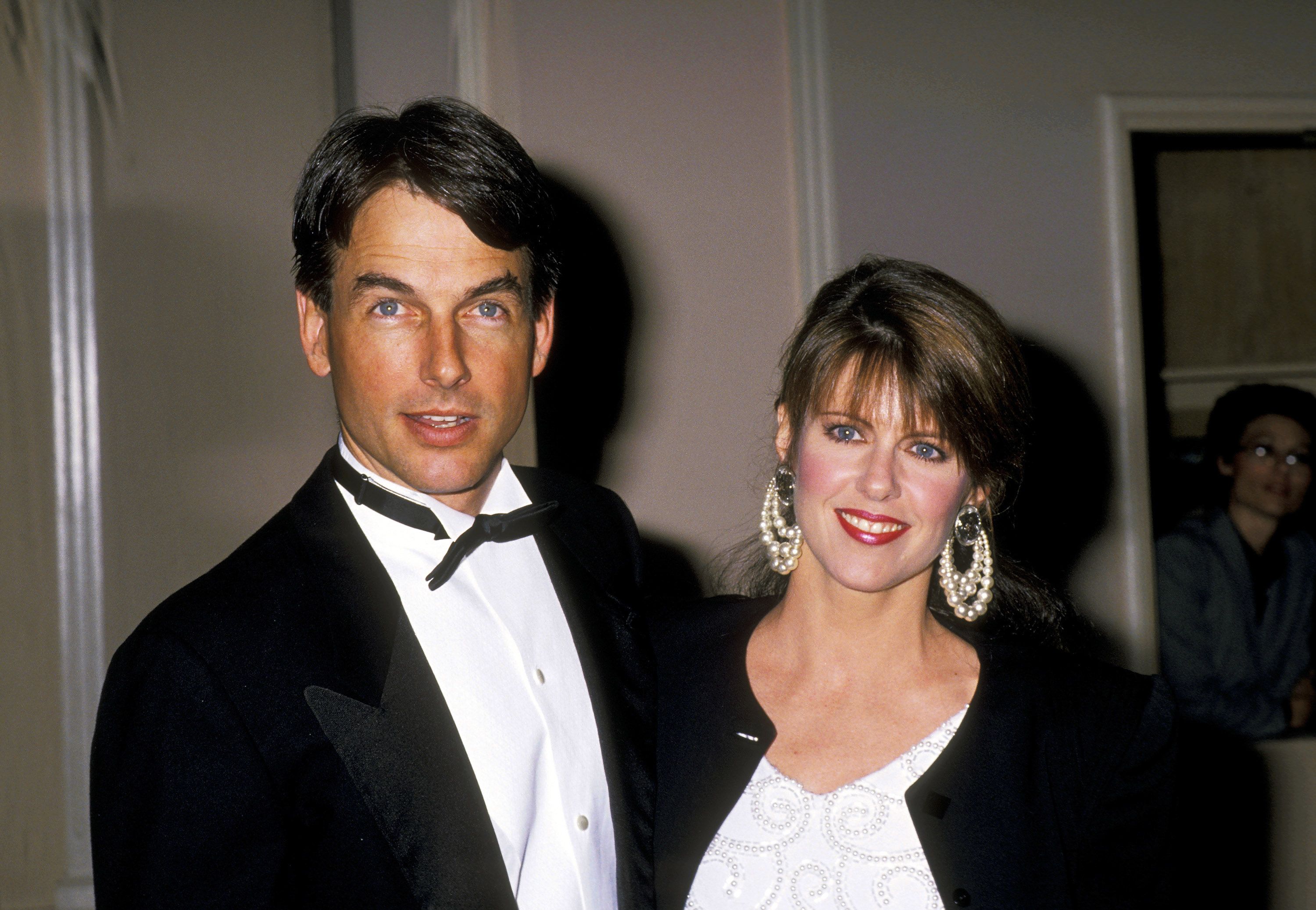
On March 21, 1987, Mark Harmon and Pam Dawber were married in a ceremony that reflected everything their relationship had already become — intimate, restrained, and deliberately removed from public spectacle. The wedding took place at the chapel of Harvard-Westlake School in California, Harmon’s alma mater, a location that itself carried personal rather than promotional meaning.
There were no orchestrated media moments. No attempts to convert the day into a publicity event. In an industry where weddings often become extensions of branding, theirs felt almost like a refusal.
By that point, both had already experienced what fame could do — how it expands attention but compresses privacy, how it creates admiration but also distortion. They didn’t need another reminder. Instead, they chose something that felt closer to real life than entertainment history.
The ceremony didn’t mark the beginning of a public story. It marked the beginning of a private agreement — that whatever came next would be lived more than it would be displayed.
And in Hollywood terms, that alone was unusual.
Building a Life Instead of a Narrative
When their first son, Sean Thomas Harmon, was born in 1988, followed by their second son, Ty Christian Harmon, in 1992, the direction of their lives became even clearer. They weren’t building a celebrity family brand. They were building a home.
Sean would eventually step into entertainment himself, even portraying a younger version of Gibbs on NCIS (2003), a subtle connection to his father’s career without being defined by it. Ty moved toward writing and creative production, choosing to work behind the camera rather than inside the spotlight. Both paths reflected an upbringing that allowed exposure to Hollywood without being consumed by it.
Pam Dawber, especially, became the central force in maintaining that boundary. She understood the mechanics of fame — how easily children can become public property in an industry that treats visibility as currency. Her decision was not reactive; it was protective.
“Notice you don’t see us in the magazines,” she once explained in essence. “When you’re married, that’s real life.”
It wasn’t a rejection of her career or her past. It was a commitment to something she considered more fragile: the normalcy of childhood in an abnormal environment.
And Mark Harmon aligned with that choice, not by retreating from his work, but by refusing to let his work consume the rest of his life.
The Discipline of Privacy
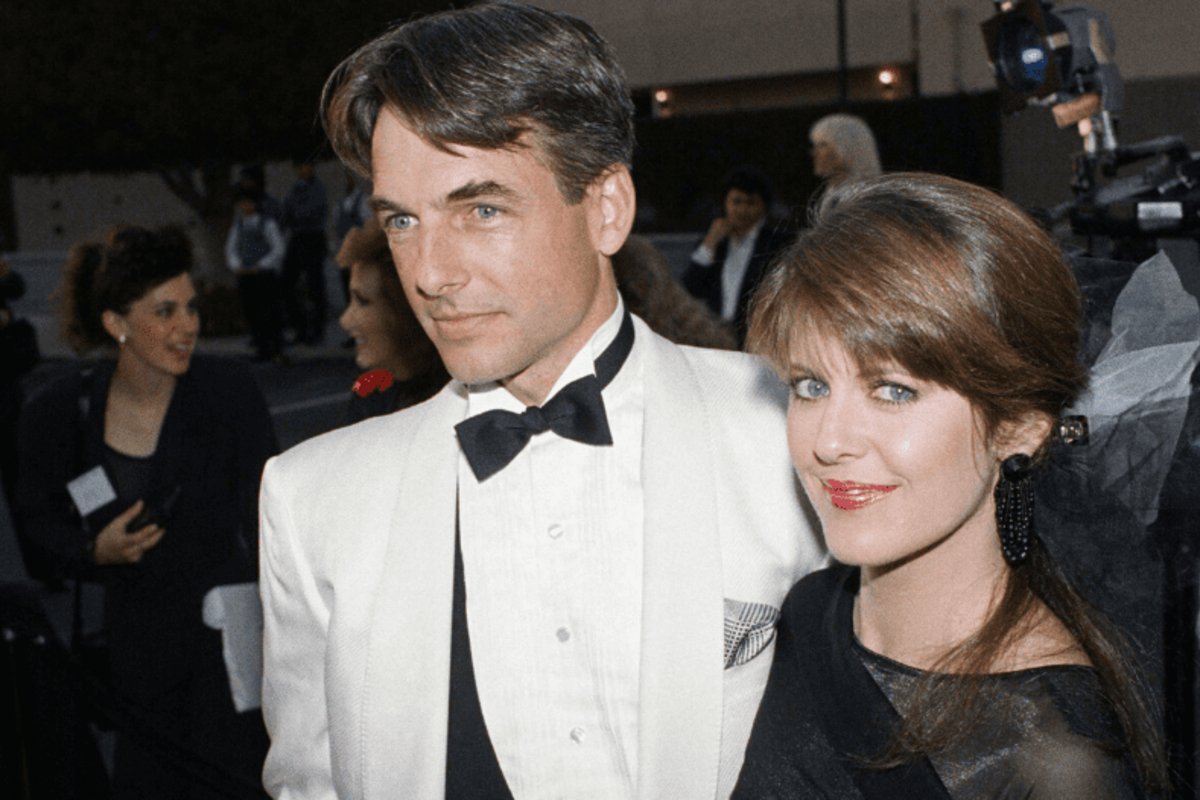
What makes their marriage stand out in Hollywood history is not drama — it’s absence of drama. There are no cycles of public breakups, reconciliations, reinventions, or media-driven reinventions of their relationship. Instead, there is continuity.
Pam Dawber stepped back from the constant rhythm of television and film opportunities, not because she lacked options, but because she prioritized presence over visibility. She had already done Broadway, voice work, sitcom success, and a range of creative roles that many actors never experience. Her decision wasn’t about limitation. It was about selection.
Mark Harmon continued working steadily, eventually becoming a defining presence on NCIS, but even then, his public persona remained unusually restrained for someone in a long-running hit series. He didn’t feed personal details into the media cycle. He didn’t build celebrity narratives around his private life.
This mutual restraint became a kind of unspoken system between them.
Not secrecy — but containment.
They allowed their careers to exist in one space and their life in another, with very little overlap between the two.
What Endurance Actually Looks Like
In interviews, when Harmon has been asked about longevity in marriage, his answers rarely lean into mythology. There is no dramatic secret, no cinematic explanation. Instead, he has often pointed toward something more grounded: timing, maturity, humor, and compatibility formed at a stage of life where impulsiveness had already been tested.
“We were both in our thirties,” he once reflected, suggesting that earlier life mistakes had already done their work by the time they met.
That perspective matters. Because their relationship didn’t form under the pressure of youthful experimentation or sudden fame discovery. It formed when both had already lived enough life to understand what instability feels like — and what stability requires.
Over time, what they built wasn’t just a marriage. It was a rhythm. A way of living that didn’t require constant explanation to the outside world.
By the mid-2020s, they had been married nearly four decades — a timeline that, in Hollywood terms, feels almost disconnected from industry norms. But their success was never measured in industry terms.
It was measured in consistency.
In staying.
In choosing the same life repeatedly, year after year.
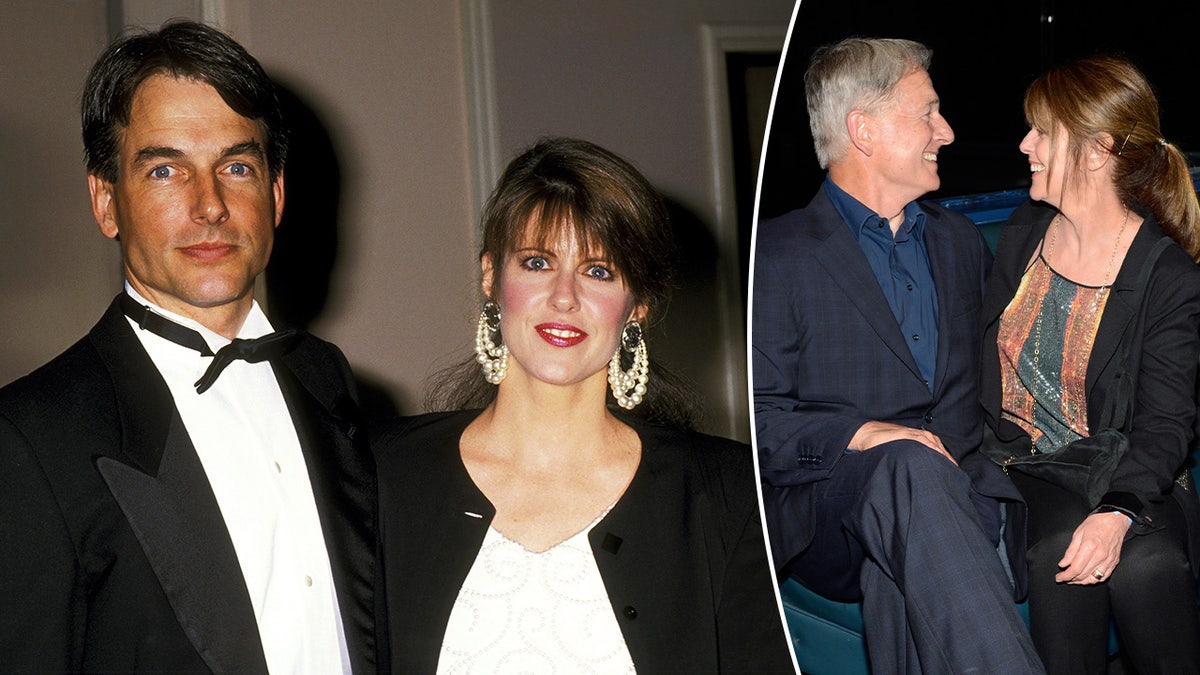
The Rare Ending That Isn’t an Ending at All
Today, the story of Mark Harmon and Pam Dawber stands apart not because it is dramatic, but because it isn’t. There is no reinvention arc, no collapse-and-rebuild cycle, no public unraveling followed by redemption narrative. Instead, there is something far more uncommon: continuity without performance.
Their marriage did not become a brand. Their family did not become content. Their private world did not get traded for attention.
In an era where visibility often replaces depth, their story quietly resists that logic.
It began with a phone call — uncertain, ordinary, almost forgettable in isolation. But what followed was a long sequence of small decisions that added up to something large: choosing privacy over publicity, presence over promotion, and real life over curated narrative.
And maybe that is why it still resonates.
Because the most surprising thing in Hollywood is not fame.
It is when two people step away from it — and never come back for more.