I had spent two sleepless days caring for our sick daughter when my husband announced fifteen friends were coming over for football. I begged him to take the party elsewhere, but he refused. By the time his guests arrived, I’d learned something that changed how I planned to handle the night.
At 8:14 that night, my husband screamed my name so loudly that 15 men stopped watching football.
I was halfway to the stairs when the room went silent. Glen stood beside the coffee table holding papers he’d pulled from the snack bag I had just handed him. His face had gone red.
One of his friends leaned forward. “What is that?”
Two days earlier, I wouldn’t have believed I had enough energy left to do anything that dramatic.
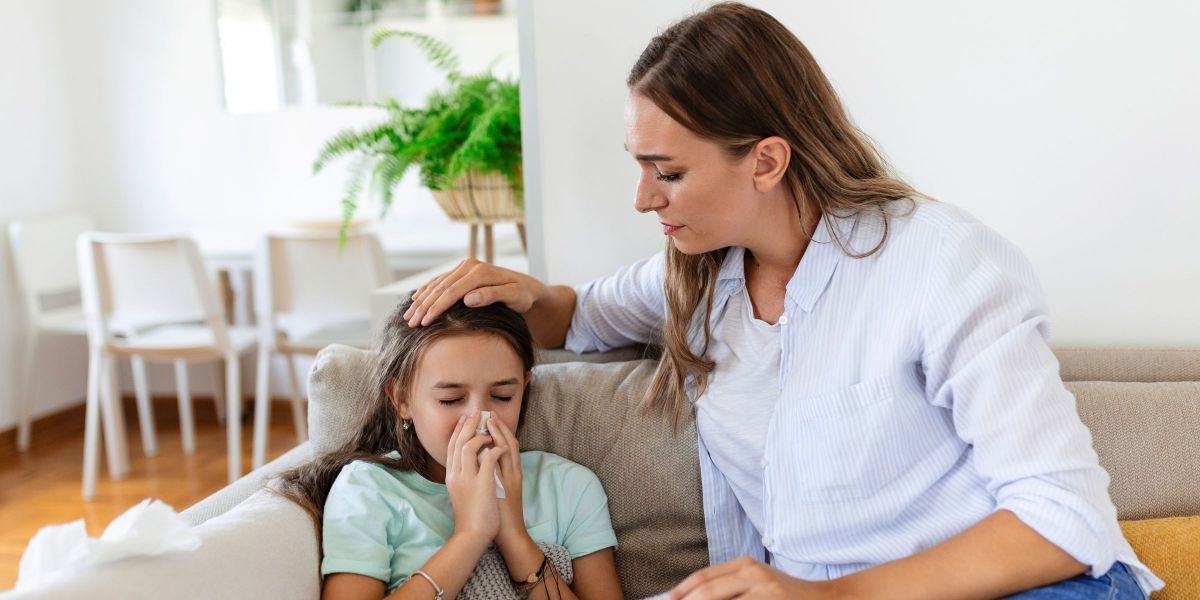
Our six-year-old daughter, Emily, had been sick for several days. Her fever kept climbing, dropping, then climbing again.
We had already taken her to the doctor, and the instructions were simple: keep her comfortable, keep fluids in her, let her rest, and watch her closely.
Simple sounded easy until it was three in the morning and Emily was crying because her pajamas were damp again.
For almost two days, I barely slept. I changed her clothes, checked her temperature, brought water, gave her medicine on schedule, and sat beside her whenever she couldn’t settle.
By the third morning, her fever finally stayed down.
I stood in the kitchen holding an empty coffee mug for nearly a minute before realizing I hadn’t made coffee.
For almost two days, I barely slept.
Emily’s voice came from down the hall, and I put the mug down immediately.
She was curled beneath her blanket when I reached her room.
She nodded, so I helped her sit up and held the cup while she drank. Then she leaned against me.
“Are you going to sleep in your room tonight?”
She was curled beneath her blanket
I kissed the top of her head. “That’s the plan, baby. But only if you’re feeling better.”
I was 38 and had spent most of my adult life handling whatever needed handling, but that afternoon I wanted two things: Emily comfortable and eight hours of sleep.
Then my husband came home.
He walked into the kitchen like he was announcing something ordinary.
“Honey, there’s an important game tonight, remember? Well, I invited all my friends over. We’re going to watch it in the living room on the big TV.”
“Honey, there’s an important game tonight, remember?”
He gave me a look. “That’s generally what ‘come over’ means, Paige.”
I was too tired to care about the sarcasm.
“Glen, Emily is still sick.”
“Better isn’t well. She’s still weak, and she needs peace and quiet.”
He opened the refrigerator.
“Glen, Emily is still sick.”
“I already told everybody.”
“I haven’t slept in two days.”
“Then you should lie down.”
“That’s what I’m trying to do.”
“So go sleep when everyone gets here. You’ll be out of the way.”
“With 15 men yelling downstairs?”
“I haven’t slept in two days.”
He sighed like I was creating a problem for him.
“Glen, please move the game. Go to one of their houses. Emily needs quiet, and I need one night of sleep.”
“I’m not changing everything now. It’s too late.”
“That’s not my problem! What am I supposed to tell the guys? No, I’m not canceling anything.”
“Glen, please move the game.”
My hand closed around the back of a chair.
Our daughter was upstairs.
I looked at him long enough that his eyes shifted away.
Then he started walking out.
“Oh,” he said, turning back. “Can you make those wings you do?”
Our daughter was upstairs.
I thought I’d misheard him.
“And garlic bread. Those little meatball things. Chips. Whatever. Nothing crazy.”
“You actually want me to cook?”
I thought I’d misheard him.
“Well, they’re coming here, and they need to eat.”
Something inside me changed.
“Well, they’re coming here, and they need to eat.”
If I had enough energy left to cook, I wasn’t spending it on 15 grown men who could feed themselves.
I started with chicken noodle soup. Then I made a strawberry-banana smoothie, Jell-O, toast, and chocolate chip cookies because Emily had asked for one the day before and hadn’t felt well enough to eat it.
Glen wandered through while the soup simmered.
I started with chicken noodle soup.
He reached toward the pot.
“No problem. You’ll make enough wings for the rest of us.”
Upstairs, Emily managed half a bowl of soup and several sips of the smoothie. When I gave her half a cookie, she smiled for the first time all day.
Then she looked toward the hallway.
“Are Daddy’s friends really coming?”
There was no accusation in her voice, which somehow made the words worse.
“I’ll handle it,” I told her. “I don’t want you to worry about any of it.”
“Are Daddy’s friends really coming?”
When I came downstairs, Glen was standing in front of the refrigerator.
“The wings. Garlic bread. Meatballs.”
I opened the refrigerator and pointed. Inside were containers marked for Emily.
He slowly closed the door.
Glen was standing in front of the refrigerator.
“Where’s the party food?”
“You asked me to cook. I cooked for the sick six-year-old upstairs.”
“They’re going to be here any minute.”
“Then you’d better figure something out.”
“Where’s the party food?”
For the next ten minutes, Glen made frantic calls.
“Grab chips on your way. And something hot. I don’t care. Just bring food.”
He ended the call and looked at me.
“Where are the big serving bowls?”
“I don’t care. Just bring food.”
“You’ve lived here for eight years, Glen. Figure it out.”
That was all the help I gave him.
The doorbell started ringing 20 minutes later, and the living room filled with voices, bags of food, drinks, and folding chairs.
I stayed upstairs with Emily until I needed something to drink.
When I came down, Marcus was in the kitchen. He was one of Glen’s oldest friends, someone I’d seen at birthdays and barbecues for years.
“You’ve lived here for eight years, Glen.”
“Thought you might need this, Paige.”
“You may have saved my life.”
“Better, but still sick. She’s trying to sleep.”
He lowered his voice. “Glen said she was basically over it. He said she’d been outside playing again.”
I looked toward the living room, where Glen was laughing with two friends.
Before Marcus could say more, someone called him away.
A few minutes later, my phone buzzed.
“Glen told us Emily was fine. Said you were cool with everyone coming. Sorry. I wouldn’t have come if I’d known.”
Then another message appeared.
“He said you thought having people around might cheer you up.”
A screenshot followed from their group chat.
“Emily’s doing way better. Paige is cool with tonight. Honestly, she could use people around after being stuck home for two days.”
I stared at Glen’s words.
For two days, I’d been waiting on our daughter while he told his friends I wanted company.
“Emily’s doing way better.”
“Did he tell everyone that?”
I put my phone in my pocket and walked into the living room.
One of the men looked up.
“Did he tell everyone that?”
“Hey, Paige. Glad Emily’s better.”
“She’s still on the mend.”
“Glen said you wanted everybody here.”
I looked directly at him.
“She’s still on the mend.”
“What are you telling everybody?”
“Nothing they didn’t ask.”
“Don’t make this into something.”
“Did you tell them Emily was fine?”
“She is better, isn’t she?”
“Did you tell them I wanted them here?”
“Don’t make this into something.”
“I told them whatever would keep this from becoming a whole thing, Paige.”
So he’d understood perfectly. He just didn’t care enough to change his plan.
Before I could answer, the living room exploded with shouting over a big play. Someone slapped the table, and another voice rose over the television.
So he’d understood perfectly.
She was sitting up, rubbing her eyes.
I sat beside her until she lay back down.
Then she whispered, “Can they go somewhere else?”
When I went downstairs, Marcus was near the hallway.
“Are you okay with me printing the screenshot?” I asked.
“Can they go somewhere else?”
I printed enough copies for the room. At the bottom, I added four lines.
- Emily is still sick.
- I did not approve this party.
- I asked Glen to move it.
- He refused.
Then I slid the pages into a large snack bag.
At the bottom, I added four lines.
Before I went into the living room, I pulled Glen aside.
He barely looked away from the television.
“I’m asking you one last time. Move the game.”
“She’ll go back to sleep.”
“Paige, enough. Stop trying to ruin this for me.”
“She’ll go back to sleep.”
A few minutes later, I carried the bag into the living room.
“See? That’s our snack bag. I told you she’d come around.”
“Actually, Glen, I brought something everybody should see.”
“I told you she’d come around.”
He reached inside, pulled out the pages, and read the first one.
One friend leaned forward.
“You said she wanted us here.”
“You told us Emily was back to normal.”
Marcus spoke from the couch.
“You said she wanted us here.”
Then I looked around the room.
“Emily is six. She’s still sick. She was asleep until everyone shouted downstairs. I asked Glen to move the game before any of you arrived. I’m asking all of you now. Please, just let my daughter rest.”
“Please take the game somewhere else.”
For a second, nobody moved.
Then one man grabbed his jacket.
One of the fathers in the group looked at Glen.
“You should’ve told us. There’s no way we’d have come here if we knew your child was recovering.”
“Please take the game somewhere else.”
Someone offered his place for the rest of the game.
Within minutes, people started leaving.
“No. I’m correcting you.”
“You could’ve talked to me privately!”
At the door, one friend asked Glen, “You coming?”
Glen looked at him, then toward the stairs.
I wasn’t making another decision for him.
“You could’ve talked to me privately!”
“No. That’s tonight. Tomorrow is much bigger.”
Emily opened her eyes when I checked on her.
“Tomorrow is much bigger.”
I looked toward the doorway. Glen was standing there.
Then I walked past him and went to bed.
For the first time in two days, I slept.
A few hours later, I woke and went downstairs for water.
Glen was in the kitchen rinsing Emily’s cup.
“She woke up thirsty,” he said.
“Got her water. Checked her temperature. Sat with her until she fell asleep.”
“That you were sleeping.”
The next morning, the living room looked terrible. Cups, napkins, plates, and half-eaten food covered almost every surface.
I stepped around it and made Emily breakfast.
Glen came in while she was eating.
He looked at the room, then at me. For once, he didn’t argue.
After he finished, he sat across from me at the kitchen table.
“You lied because you knew that if your friends heard the truth, some of them would’ve told you to move the game.”
“You knew other people might care more about what Emily needed than you were willing to.”
“I’m not interested in excuses. This wasn’t one football game. For two days, I handled everything with Emily. Then, when I asked you for one quiet night, you treated me like I was interrupting your plans.”
“I’m not interested in excuses.”
“I’m not doing this version of our marriage anymore.”
“It means you start parenting before I have to ask. You notice what needs doing. You make sacrifices before I reach my limit. And if you make plans that affect this family, you talk to me first.”
“Then do it. Don’t promise it.”
That afternoon, Emily asked for another drink. Glen stood before I could.
I watched him walk down the hall.
“Then do it. Don’t promise it.”
The next evening, he handled Emily’s bedtime.
When she asked for something to drink after he’d already tucked her in, he got it without calling for me. When she wanted the hallway light left on, he went back and adjusted it.
I heard all of it from our bedroom.
The following morning, he changed his schedule so I could return to work.
A few days later, Emily finally had her appetite back.
She asked for one of the cookies I’d frozen.
Glen warmed it and set it in front of her.
“Did Mom make these?” she asked.
“Yeah. She made all that food when you were sick.”
I was walking past the kitchen when she said it.
I stopped because I wanted him to hear what I heard.
Our daughter had noticed.
He looked down at the table.
“I don’t want her saying that when she’s 16.”
“Then give her something different to remember.”
Later that afternoon, Emily called from her room.
A moment later, Emily laughed.
For once, the sound didn’t call me into action. Glen was already there.
For years, I thought love meant making sure everything got done, even if I had to do it myself.
That night taught me better.
Sometimes love meant leaving something in someone else’s hands and expecting them to carry it.
Upstairs, Emily laughed again.