Warning: This article includes MAJOR SPOILERS for Netflix’s Vladimir!
Netflix’s eight-episode erotic thriller makes the bold choice to break key storytelling rules, and it’s better off for it. Sex sells, and so does danger. The popularity of steamy erotic thrillers proves that audiences will tune in to watch the vicious side of obsession.
The miniseries Vladimir, based on the book by Julia May Jonas, is the most recent show to explore this part of psychology. The story follows an unnamed protagonist, referred to as M in offscreen media, whose husband is being investigated for sleeping with students. She becomes distracted from this reality when a new junior professor comes to the school.
The Netflix series quickly jumped onto the streamer’s Top 10 list and has become both a US and global obsession. Surprisingly, the erotic thriller violates one of the most basic storytelling rules, making it much more interesting.
Netflix’s Vladimir Lies To Us & That’s A Good Thing

Storytelling requires both creators and audiences to engage in an unspoken social contract built on mutual trust. The creators agree to build a world with consistent logic, and audiences agree to accept a story set within that world. It’s a sacrosanct rule. Generally speaking, if either party violates the contract, suspension of disbelief falls apart.
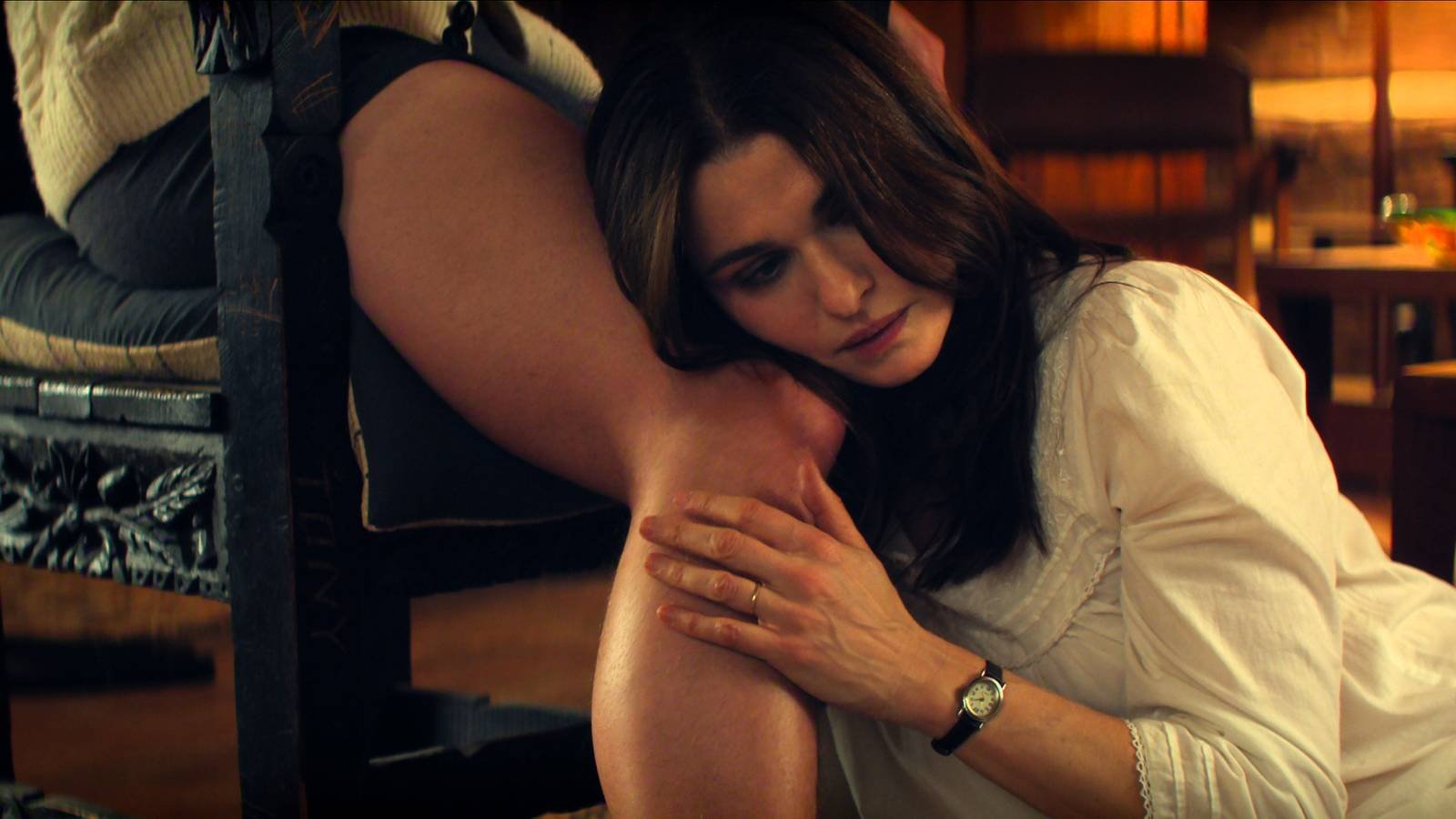
Netflix’s Vladimir technically breaks this agreement by lying to us about the world. It sporadically mixes together facts and fantasy without a consistent pattern. The visuals also provide inconsistent cues about when the plot is really happening and when it’s in M’s mind. Sometimes, we get an almost ethereal quality, but other times the imagined events look identical to reality.
The erotic thriller lies to the audience by withholding any guidance. Vladimir’s unreliable narrator means we’ll always have to question the scenes. Since the story is told from her perspective, the only thing we can trust is that we can’t trust anything. This ends up being a good thing, though, because that untrustworthiness becomes the logic that audiences can rely on.
Vladimir’s Ending Allows Us To See The World That M Is Creating In Her Head

Netflix’s hit miniseries functions as a character study of a woman who spirals into dangerous obsession. We get glimpses of her fantasies throughout the series. However, Vladimir’s ending scene finally fully immerses us in the world M has been creating in her book.
M sees herself as the center of a gothic romance novel, which is why Vladimir incorporates some of the biggest tropes and motifs. The genre is known for its tyrannical men, power imbalances, and claustrophobic environments. There’s also a meta element, as gothic romance characters are often preoccupied with finding the truth.
From the point when M sits down to finish her novel until the last line of the miniseries, we’re fully immersed in her world. She writes one of the most beloved gothic novel traditions: a house fire. John and Vladimir are on one side of the fire with a stuck door, and her book is on the other.
Rather than staying with the men, the main character in Vladimir escapes, and her narration leaves us questioning whether Vladimir and John do as well. Truly, it doesn’t matter, though. They are now characters in her story, instead of her being a character in theirs.
We Don’t Need To Know How Much Of Vladimir’s Third Act Is Real
While the audience has to question M’s narration, the first two acts of Vladimir are a little easier to understand. It’s clearer when we’re in the protagonist’s mind. However, everything changes when M and Vladimir leave the college for the restaurant. From there forward, it’s debatable what’s real, what’s partially true but skewed, and what’s completely false.
It’s possible to interpret most of the events as true until the fire. Vladimir flirted with M before going to the restaurant. The news of John and Cynthia’s alleged affair could have given him the drive to act on his desires.
I personally believe everything after M drugs Vladimir is being filtered through her mind. Vladimir’s behavior changes pretty drastically. In the bedroom, he says everything M wants to hear. Their sexual encounter directly copies her fantasies beat-for-beat, and it’s pretty much impossible he would know all those things.
Ultimately, it doesn’t matter whether either of these interpretations is true. We don’t need to know the truth about Vladimir’s third act to understand the themes. The end of the miniseries tells every viewer that they can rewrite their story. We don’t need to know how much M rewrote; we just need to know that she reclaimed her narrative.
- Release Date
-
2026 – 2026-00-00
- Network
-
Netflix
- Writers
-
Julia May Jonas