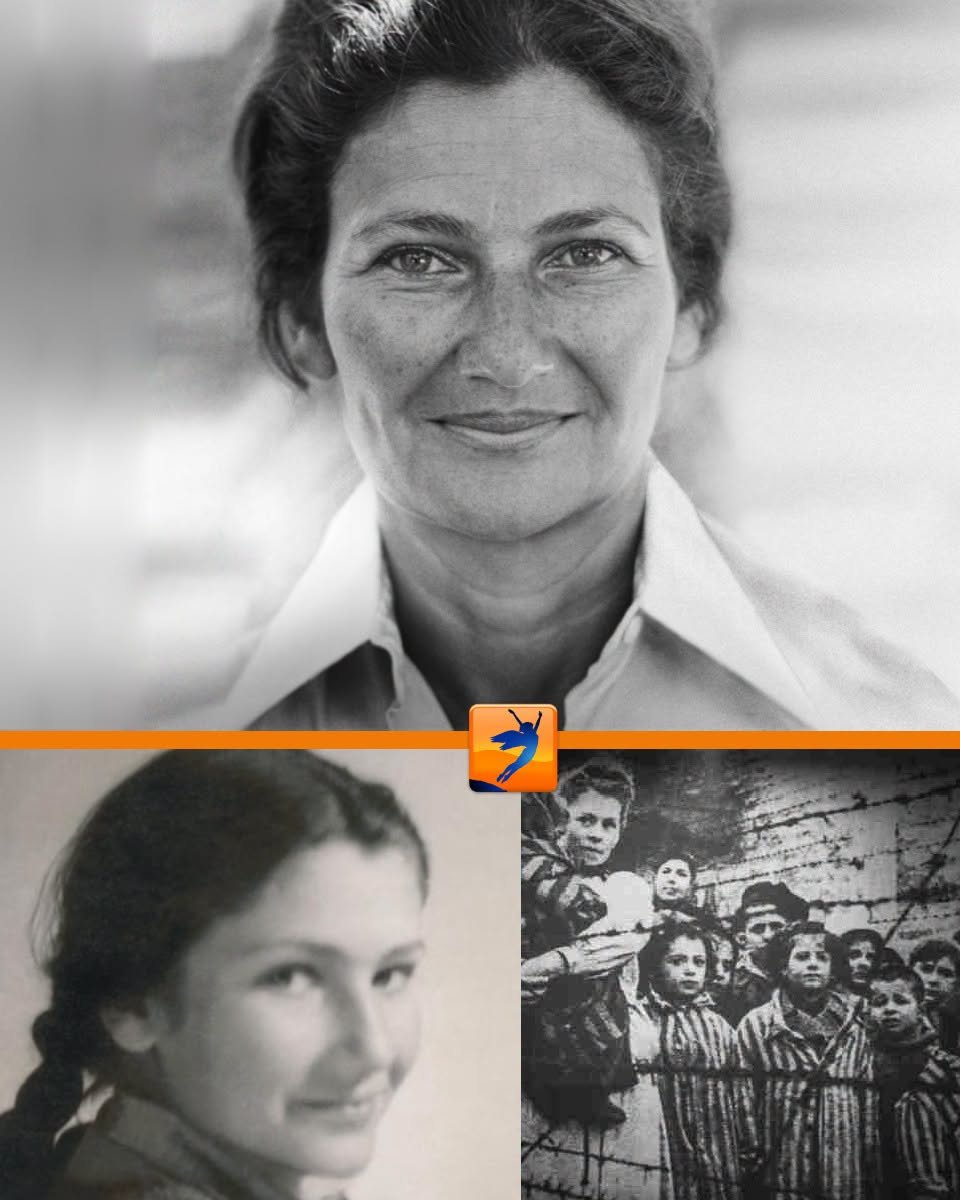
A sixteen-year-old girl sat down in Nice, France, to take the most important exam of her young life.
It was supposed to be a moment of celebration.
A moment when a teenager could finally look toward the future.
She had studied.
She had worked hard.
She had dreamed about what life might become.
And when the results came, she passed.
For one brief day, Simone Jacob was simply a young woman filled with hope.
But the very next morning, everything changed.
A knock came at the door.
It was not a neighbor.
It was not a friend.
It was the beginning of a nightmare that would take away her childhood, separate her from her family, and force her to confront the darkest side of humanity.
At that moment, Simone Jacob was just sixteen years old.
She had no idea that decades later, the world would know her as Simone Veil — a survivor, a leader, a symbol of courage, and one of the most respected women in modern French history.
Her life would become a story not only about survival, but about forgiveness, strength, and the extraordinary power of choosing hope after unimaginable suffering.
Because Simone Veil’s story was never just about what happened to her.
It was about what she decided to do afterward.
A Childhood Built on Love, Education, and Hope
Simone was born on July 13, 1927, in Nice, France.
She grew up in a close and loving family that valued education, culture, and service.
Her father, André Jacob, was an architect. He was a thoughtful and disciplined man who loved France deeply. Her mother, Yvonne, was intelligent, determined, and passionate about learning. She had studied chemistry at a time when opportunities for women in higher education were still limited.
The Jacob family believed strongly in the values that France represented:
Liberty.
Equality.
Brotherhood.
They believed that citizenship meant responsibility.
They believed that education could open doors.
They believed that people could build a better future together.
For young Simone, childhood was filled with books, family conversations, and dreams of a meaningful future.
She was bright, independent, and determined.
Like many teenagers, she worried about school, friendships, and what career she might choose one day.
But outside her family home, the world was changing.
The Second World War was spreading across Europe, and with it came fear, discrimination, and persecution.
The ideals Simone’s family believed in were being challenged by a reality far darker than they could have imagined.

The Moment Everything Changed
As the war continued, Jewish families across Europe faced increasing danger.
The Jacob family, despite being deeply connected to France and considering themselves loyal citizens, were suddenly targeted because of their Jewish heritage.
The country they loved was no longer the safe place they believed it would be.
Simone’s mother tried desperately to protect her children.
She obtained false identity papers and begged them to use different names.
She wanted them to disappear into the crowd.
She wanted them to survive.
But Simone made a decision that revealed something remarkable about her character.
When the time came for her final high school examination, she chose to register under her real name.
She knew the risks.
She understood the danger.
Yet she refused to erase who she was.
It was not a loud act.
There was no audience.
There were no cameras.
But it was a moment of incredible courage.
A sixteen-year-old girl decided that even in a world trying to take away her identity, she would hold onto it.
She completed her exam.
She passed.
For a brief moment, she experienced the joy of success.
But that happiness lasted less than twenty-four hours.
The following day, while walking through the streets of Nice to celebrate with friends, Simone was stopped by two officials.
They asked for her documents.
They discovered her identity.
They arrested her.
In a matter of hours, her entire family was captured.
The life Simone knew disappeared forever.
She, her mother Yvonne, and her sister Milou were taken away and eventually transported to Auschwitz-Birkenau.
Simone was only sixteen years old.
The Number That Tried to Replace Her Name
When Simone arrived at Auschwitz, she entered a world designed to destroy human dignity.
People were stripped of their belongings.
They were separated from their families.
They were treated not as individuals, but as numbers.
Simone received a tattoo on her arm:
A number intended to erase her identity.
But it never succeeded.
Because Simone Veil was never just a number.
Behind that mark was a daughter.
A sister.
A student.
A young woman with dreams.
She endured hunger, freezing temperatures, exhaustion, and unimaginable fear.
She witnessed suffering that no person should ever have to see.
But she held onto the strongest thing she had left:
Her determination to survive.
Her mother remained a source of strength.
Even while suffering herself, she focused on protecting her daughters.
In a place designed to destroy families, their love became an act of resistance.
They survived by holding onto each other.
By refusing to give up.
By believing that somehow, someday, life could continue.
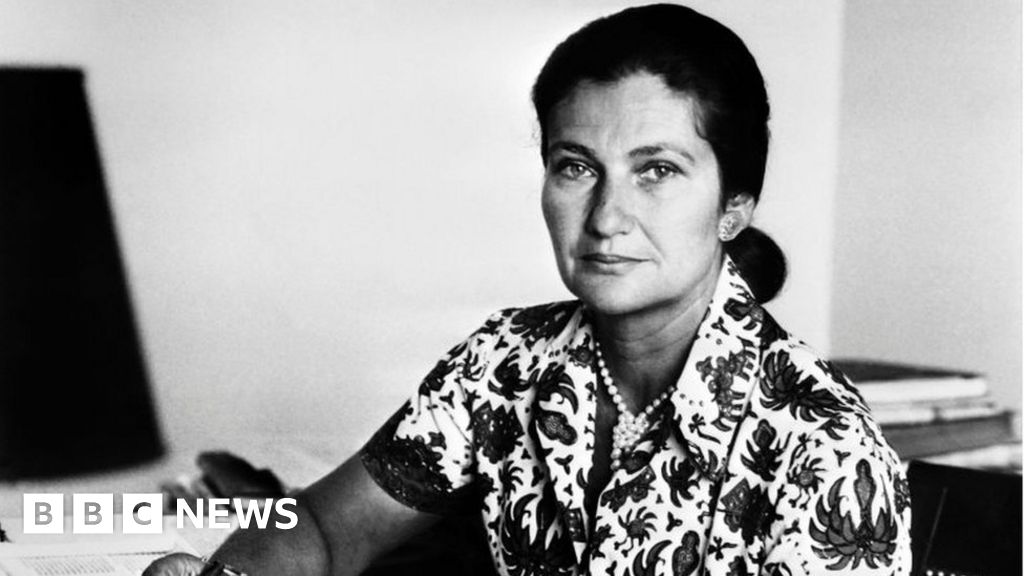
The Final Words of a Mother
As the war approached its end, Simone and thousands of others were forced to leave the camps in brutal conditions.
They were sent on a devastating evacuation to Bergen-Belsen.
By then, Simone’s mother had become seriously ill with typhus.
Her body was exhausted.
Her strength was fading.
But her love for her daughters remained.
In her final moments, she gave them the message that would stay with Simone for the rest of her life:
They had to live.
They had to survive.
They had to tell the world what happened.
Shortly afterward, Simone lost her mother.
It was a devastating moment.
The woman who had protected her since childhood was gone.
Simone had already lost so much.
And the losses continued.
Her father and brother were sent to separate camps.
They never returned.
By the time Simone was liberated and returned to France in 1945, she was only seventeen years old.
She came home carrying a lifetime of pain.
She had lost her parents.
She had lost her childhood.
She had lost the world she once knew.
But she still had one thing:
A future.
Choosing Life After Tragedy
Many people who experience unimaginable suffering struggle to find a reason to continue.
Simone Veil chose something extraordinary.
She chose life.
She refused to allow cruelty to define her entire existence.
Instead of becoming consumed by hatred, she dedicated herself to rebuilding.
She returned to education.
She studied law.
She became a magistrate.
And she began a career focused on justice and protecting vulnerable people.
Her experiences shaped her understanding of the importance of human rights.
She knew what happened when societies allowed discrimination and injustice to grow.
She understood why laws mattered.
She understood why dignity mattered.
And she used her voice to defend those who had little power.
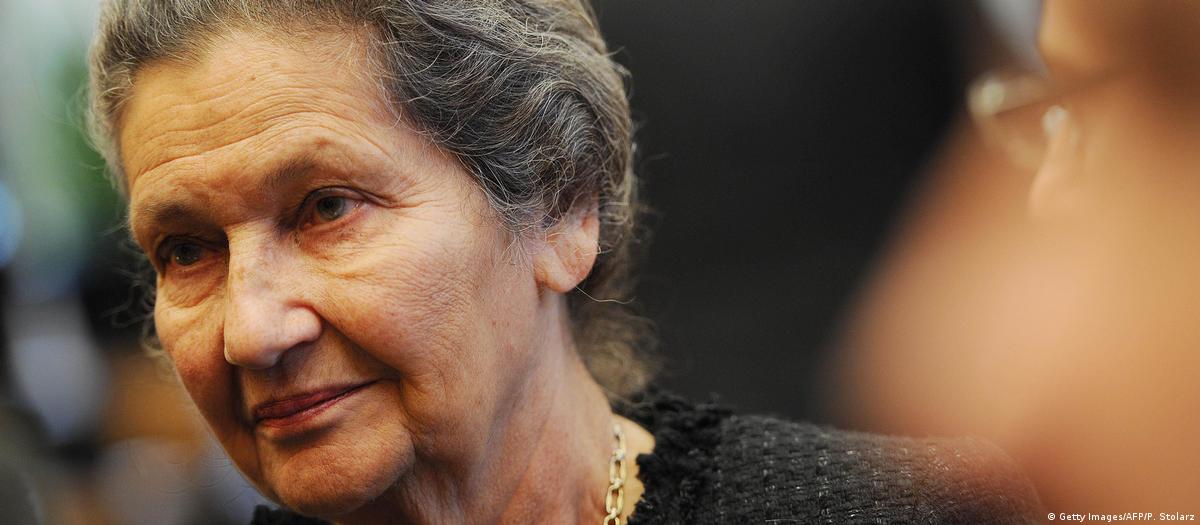
A Woman Who Changed France
In 1974, Simone Veil became France’s Minister of Health.
At the time, French politics was still overwhelmingly dominated by men.
But Simone was not defined by expectations.
She was defined by courage.
Her leadership earned admiration across the country.
She became known as a woman of intelligence, honesty, and determination.
One of her most significant achievements came when she successfully defended a major healthcare and social reform that became a landmark moment in French history.
The debate was intense.
The criticism was harsh.
But Simone stood firm.
She had already faced the worst humanity could offer.
Political opposition could not break her.
From Survivor to European Leader
Simone Veil’s vision extended beyond France.
She believed Europe needed unity.
She believed countries that once fought each other could choose cooperation instead.
Her memories of war shaped her commitment to peace.
She became the first female President of the European Parliament in 1979.
It was a historic achievement.
A woman who had once been imprisoned because of her identity had risen to become one of Europe’s most influential leaders.
Her life represented a powerful message:
Hatred can destroy.
But courage can rebuild.
A Final Honor for an Extraordinary Life
Simone Veil passed away in 2017 at the age of 89.
France honored her with one of the greatest recognitions possible.
She was buried in the Panthéon in Paris, alongside some of the nation’s most important figures.
Thousands gathered to remember her.
They came not only to honor a politician.
They came to honor a survivor.
A mother.
A humanitarian.
A woman who transformed personal tragedy into a lifetime of service.
People cried.
People applauded.
People whispered the words:
“Merci, Simone.”
Thank you, Simone.
Thank you for surviving.
Thank you for remembering.
Thank you for fighting for a better world.
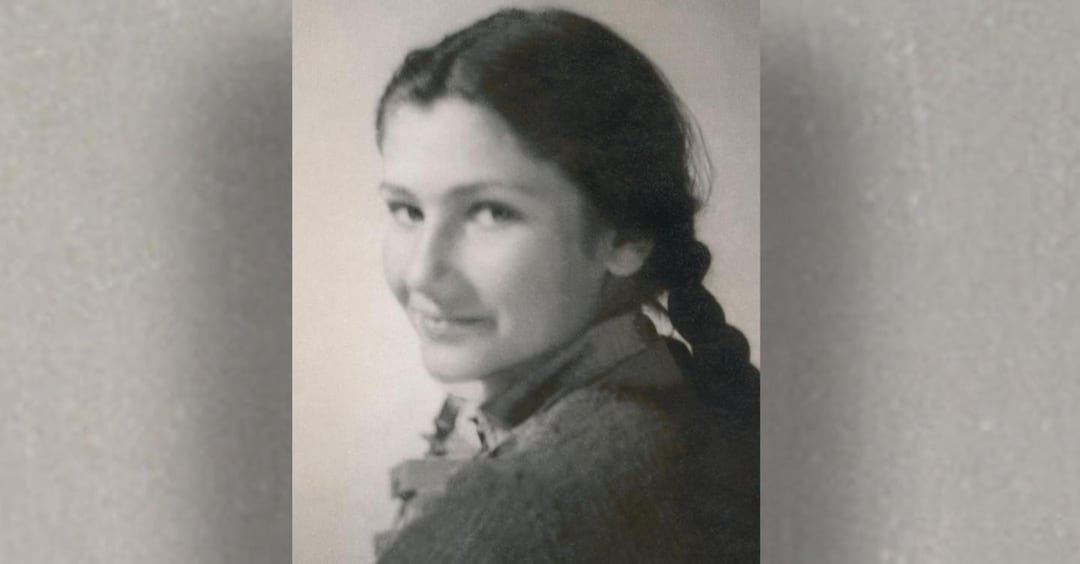
The Legacy of Simone Veil
The story of Simone Veil is not only a story about suffering.
It is a story about choices.
She could have allowed hatred to consume her.
She could have lived only with anger.
Instead, she chose compassion.
She chose justice.
She chose to protect others.
The sixteen-year-old girl who walked into a nightmare eventually became a woman who helped millions.
The young girl whose name was replaced by a number became a name remembered with honor.
The daughter who lost her family became a voice for families everywhere.
Her mother’s final wish was simple:
Live.
Remember.
Tell the story.
Simone Veil fulfilled that promise.
She did not simply survive history.
She changed it.
And her life remains a reminder that even after the darkest moments imaginable, one person’s courage can still become a light for the entire world.