For decades, the story has been repeated like a scene from a movie.
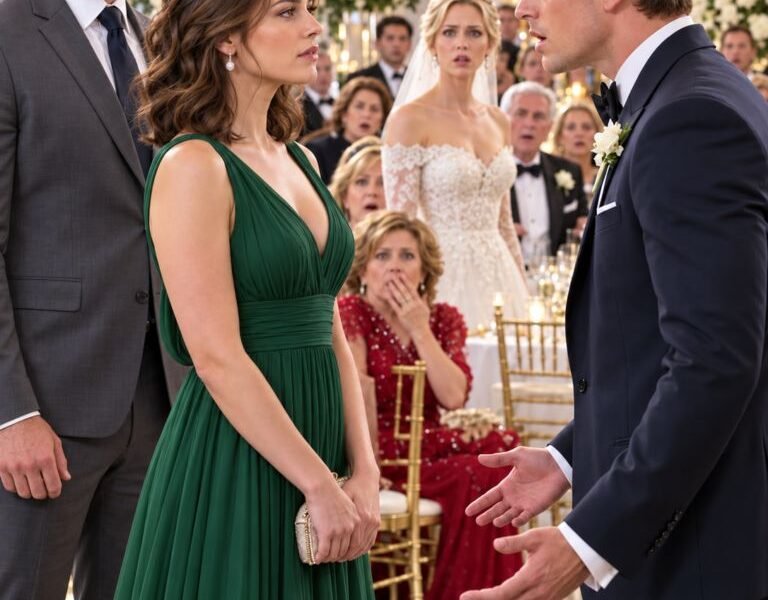
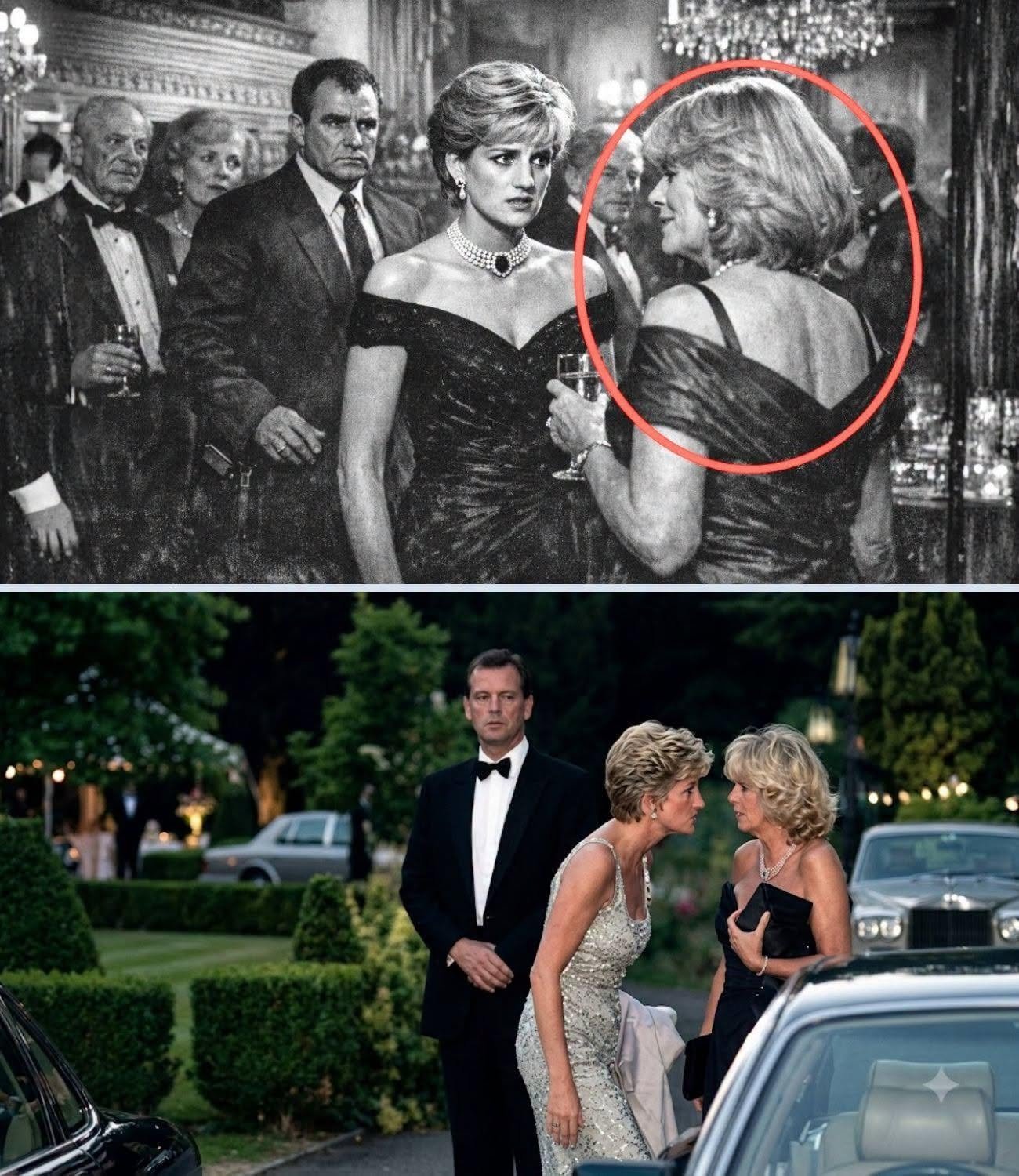
A lonely princess. A secret affair. A private party. A hallway filled with tension. And one unforgettable moment when Diana allegedly walked into the room where Camilla Parker Bowles was standing and decided she could no longer remain silent.
The newspapers called it a royal showdown.
The public called it Diana’s moment of courage.
The palace called it exaggerated gossip.
But behind all the headlines was something much more complicated — a marriage that had been falling apart for years, a young woman struggling to find her place inside one of the world’s most powerful institutions, and the people closest to Diana who watched her transform from a shy bride into someone determined to reclaim control of her own story.
Among those people was Ken Wharfe, the former royal protection officer who spent years close to Princess Diana. He witnessed moments the public never saw — the quiet conversations inside cars, the emotional exhaustion behind palace walls, and the private struggles hidden beneath the perfect image of royalty.
What he saw was not simply a princess fighting another woman.
It was a woman fighting for recognition, dignity, and the right to be heard.
And the night Diana finally decided to confront the reality of Charles’s relationship with Camilla became one of the most symbolic moments of a royal marriage already beyond repair.
Because the real tragedy was not that Diana discovered a secret.
The tragedy was that, for years, she had known the truth.
And everyone around her knew she knew.
The Fairy Tale That Began to Crack Behind Palace Walls
When Prince Charles married Lady Diana Spencer in 1981, the world watched what appeared to be the beginning of a fairy tale.
Millions saw a young woman in a magnificent wedding dress walking toward one of the most famous men on Earth.
They saw romance.
They saw tradition.
They saw hope.
Diana was only 20 years old when she became the Princess of Wales. Overnight, she transformed from a relatively unknown young woman into one of the most photographed people on the planet.
The public adored her.
Her kindness, vulnerability, and natural warmth made her different from the traditional image of royalty. She shook hands with ordinary people. She hugged children. She visited hospitals and reached out to those suffering from illnesses that many people were afraid to discuss.
But inside the walls of the royal household, her personal life was becoming increasingly painful.
The marriage that looked perfect from the outside was struggling privately.
Diana later revealed that she entered the relationship believing she was loved and supported. But as time passed, she began to feel isolated.
The greatest challenge was not simply the pressure of royal duties.
It was the feeling that there was another person occupying a space in her marriage.
That person was Camilla Parker Bowles.
Camilla had known Prince Charles long before Diana entered his life. Their friendship dated back years, and although their relationship changed over time, rumors about their closeness continued throughout Charles and Diana’s marriage.
For Diana, the situation became a source of deep emotional pain.
She was not only dealing with rumors.
She was dealing with the feeling that she was competing with a history she could never erase.
Ken Wharfe Saw the Woman Behind the Crown
When Ken Wharfe joined Diana’s protection team in the mid-1980s, he saw a side of her that the public rarely witnessed.
The world saw the glamorous princess.
He saw the human being.
He saw someone who could be funny, caring, and incredibly determined — but also someone carrying enormous emotional weight.
Diana was often portrayed as fragile, but those close to her described another side.
She could be incredibly strong when she believed something mattered.
She had the ability to challenge people far more powerful than herself.
And as her marriage deteriorated, she became increasingly unwilling to simply remain silent.
According to accounts from people close to Diana, she wanted answers.
She wanted honesty.
More than anything, she wanted acknowledgment that her feelings mattered.
For someone living inside a system built on tradition and silence, that desire alone was revolutionary.
Royal life often demanded restraint.
Diana increasingly demanded truth.
And that difference would eventually put her on a collision course with the people around her.
The Woman Who Refused to Pretend Everything Was Fine
By the late 1980s, Diana’s relationship with Charles had become one of the most discussed topics in Britain.
The public noticed the distance between them.
Their appearances together became increasingly formal.
The warmth that had once captivated the world seemed to disappear.
Behind closed doors, Diana was trying to understand how her marriage had reached this point.
She was not simply angry about another woman.
She was angry because she felt abandoned inside her own marriage.
The emotional battle became about more than Camilla.
It became about Charles.
About the institution.
About expectations placed upon her.
About being asked to represent happiness while privately experiencing heartbreak.
Those closest to Diana said she wanted people to stop pretending.
She wanted reality to be acknowledged.
And that was why any possible confrontation with Camilla carried such emotional weight.
It was never just about two women.
It represented a much larger conflict.
One woman represented the future of the monarchy.
The other represented a past relationship that had never fully disappeared.
And Diana found herself caught between them.

The Night That Became Royal Legend
The event often associated with Diana’s confrontation with Camilla has become one of the most famous stories from the final years of her marriage.
According to widely circulated accounts, Diana attended a private gathering where Camilla was also present.
The details have been debated for years.
Some versions describe Diana entering a room and directly challenging Camilla.
Others suggest the conversation was calmer but emotionally intense.
The exact words exchanged remain part of royal folklore rather than a fully documented historical record.
But what matters is why the moment became so powerful.
Because people understood what it represented.
A woman who had spent years remaining silent finally refusing to continue pretending.
Diana was no longer the young bride who entered royal life hoping everything would work out.
She had experienced disappointment.
She had experienced loneliness.
And she had learned that silence did not always protect people.
Sometimes silence only protected the powerful.
The Real Battle Was Not Between Diana and Camilla
It is easy to reduce the story to a rivalry between two women.
But the reality was far more complicated.
Diana and Camilla were often portrayed as enemies fighting over one man.
But both women were also shaped by the expectations and traditions surrounding Prince Charles and the monarchy.
Camilla had a long history with Charles.
Diana entered a marriage where that history had never completely disappeared.
The institution itself played a major role.
The royal family valued stability, duty, and public image.
Personal emotions were often expected to remain private.
But Diana belonged to a different generation.
She believed emotional honesty mattered.
She believed people deserved compassion.
And she brought that belief into every part of her public life.
That was why millions connected with her.
She was royal, but she was also human.
She experienced pain.
She experienced rejection.
She experienced moments when she felt powerless.
And she showed the world that even someone wearing a crown could suffer.

The Aftermath: A Marriage Could Not Be Saved by Silence
By the early 1990s, the breakdown of Charles and Diana’s marriage could no longer be hidden.
The separation was announced in 1992.
The divorce followed in 1996.
The fairy tale that had fascinated the world ended.
But Diana’s story did not end there.
After leaving royal life, she continued using her influence to support humanitarian causes.
She became known worldwide for her work with landmine victims, HIV/AIDS patients, and disadvantaged communities.
She transformed personal pain into public purpose.
The woman who once felt ignored became one of the most influential figures of her generation.
The Legacy of That Moment
More than three decades later, people are still fascinated by the night Diana allegedly confronted Camilla.
Not because of the drama.
Not because of the royal gossip.
But because it represented something universal.
The moment when someone finally decides they cannot continue living a lie.
Diana’s greatest struggle was never simply against another person.
It was against a system that expected her to remain silent.
She wanted to be seen.
She wanted to be heard.
She wanted the truth acknowledged.
And although the confrontation did not magically fix her marriage, it revealed something important about Diana herself.
She was not merely the vulnerable princess people imagined.
She was a woman capable of standing in front of extraordinary pressure and demanding honesty.
That is why the moment continues to fascinate people around the world.
Because behind the palace walls, behind the titles and ceremonies, there was a human story.
A story about love.
A story about betrayal.
A story about courage.
And a story about a woman who refused to disappear.