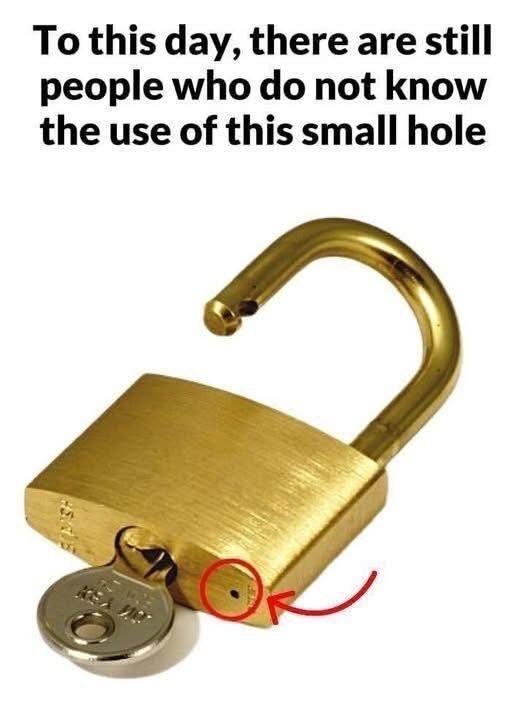
A padlock is easy to take for granted—lock, click, and move on. Yet if you turn one over, you’ll notice a small opening at the bottom. It’s subtle, but it plays a key role in keeping the lock working reliably over time. Paying attention to these built-in details can help you get better performance from everyday tools.
Start with its primary job: moisture management. Outdoor locks face rain, humidity, and temperature swings. When water gets inside, it can lead to rust and internal wear. The small hole acts as a drainage point, allowing moisture to escape instead of collecting around the moving parts. This simple feature helps extend the life of the lock and reduces the chance of it seizing.
Next, use the opening for basic maintenance. Over time, dust or cold conditions can make a lock feel stiff. A small amount of appropriate lubricant—such as graphite or a light lock oil—applied through the hole can reach the internal mechanism and restore smooth movement. This quick step can prevent unnecessary replacement and keep the lock operating as intended.
Finally, recognize that this kind of thoughtful design appears in many everyday items. From tools shaped for better grip to subtle indicators on appliances, small features often serve practical purposes. By noticing and using them correctly, you can improve durability, efficiency, and convenience in simple, effective ways.